
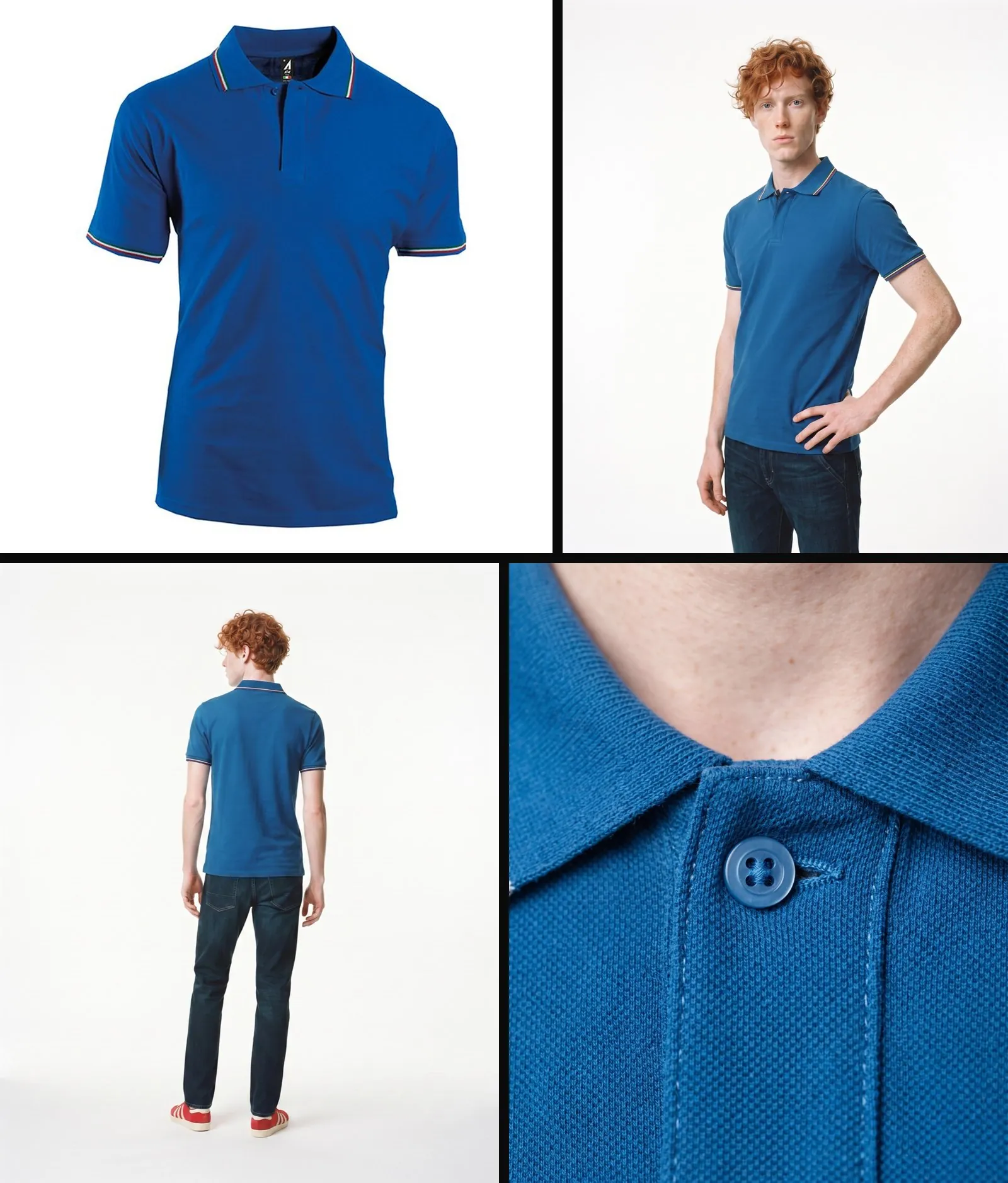
Product photos are often the only thing a customer can go on when deciding whether to buy, because the item cannot be touched or tried on. That is why they have to look professional: when they do not, the customer does not trust the seller. This article looks at what makes a good ecommerce photo, what it costs to shoot one the traditional way, and how to produce the same images on Seedboard with AI, with or without a model.
What a good ecommerce photo needs
An ecommerce photo has a different job from an advertising photo. The advertising photo has to make an impression; the photo in an online store has to inform. Unable to see the item in person, the customer wants to understand how the product is made, what it is made of, how it hangs if it is a garment and how it looks in the colors available. The qualities that matter are more or less always the same.
- The product in the center. A neutral background, usually white, with nothing competing for attention. It is the standard most marketplaces ask for.
- Several angles. Front, back, side and at least one close-up, because the customer cannot turn the object over in their hands.
- The same light and framing across every product. A catalog where each item is shot differently looks untidy, even when the individual photos are good.
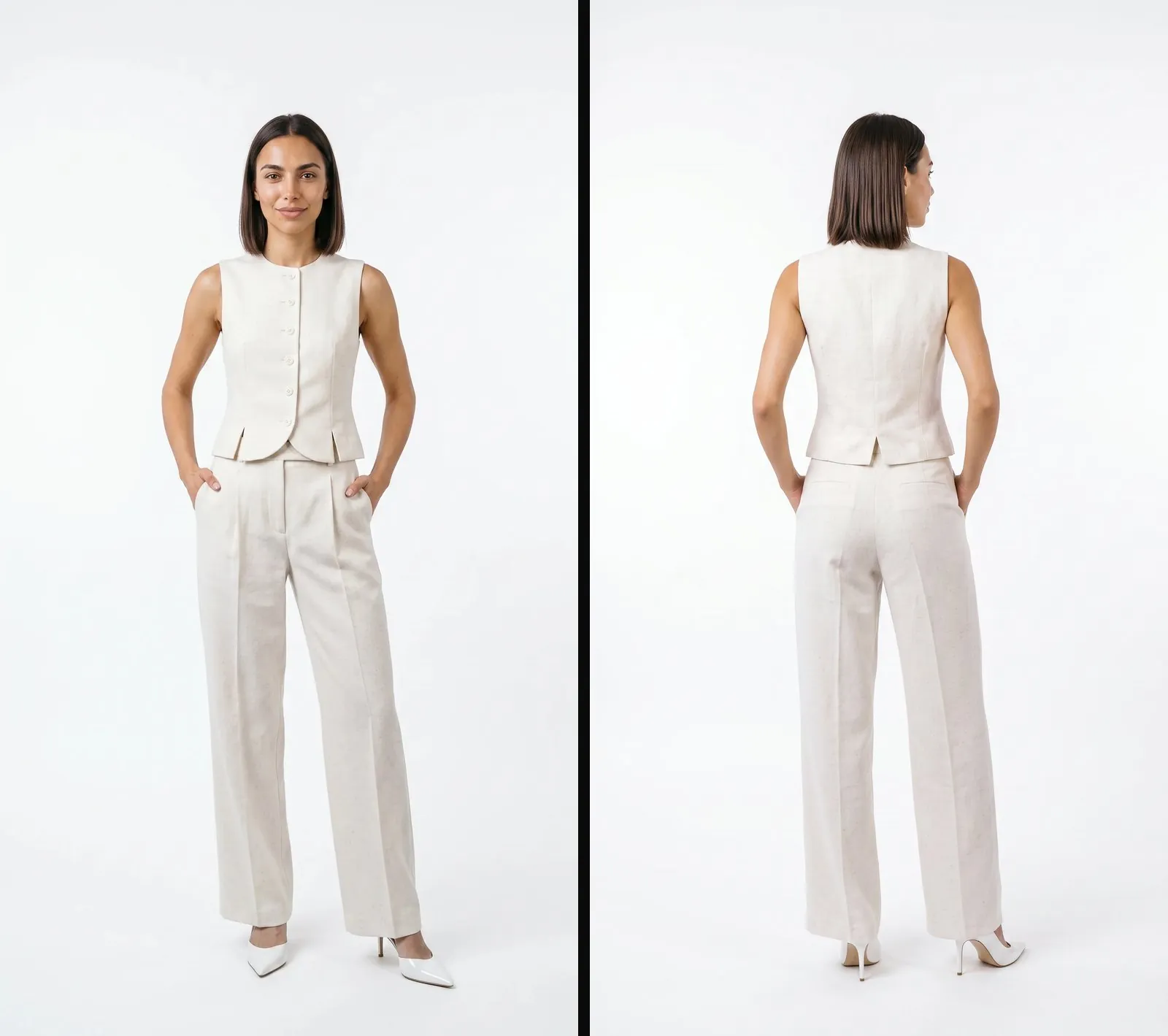
- The product worn, where it matters. For clothing, jewelry, eyewear and bags, photos of the product on a model show the proportions and the way it sits. They usually come with a white-background shot as well.
What ecommerce photography costs with a photographer
Shooting ecommerce photos the traditional way means organizing a shoot. The brand has to find a photographer, book a studio or build a set, prepare and ship the products and, for worn shots, hire a model and settle the image rights. A product shoot costs roughly 500 to 5,000 euro, and the expense comes back every time the catalog grows or the season changes.
On top of the cost there is a second problem: keeping the catalog consistent over time. Two shoots months apart, often with different photographers, rarely come back with identical light and framing, and the catalog ends up showing products photographed in different ways.
Ecommerce photography with AI: how it works on Seedboard
Seedboard is a creative studio for brands that generates professional photography. For product photos nothing gets shipped and no set gets built. The process has three steps.
- Upload the product. You upload the images of the product and show the style you want, either by attaching a reference image or by describing the mood, the light and the setting you have in mind.
- First photo. Seedboard generates a first photograph of the product. You look at it and, if it matches what you wanted, you approve it.
- Other angles. From the approved photo, Seedboard generates the other angles and views, consistent with the first in light, background and style. You approve one photo and get the full set, without going back on set for every angle. The shot types most used for the product on its own, with examples, are in the article on still life product photography.
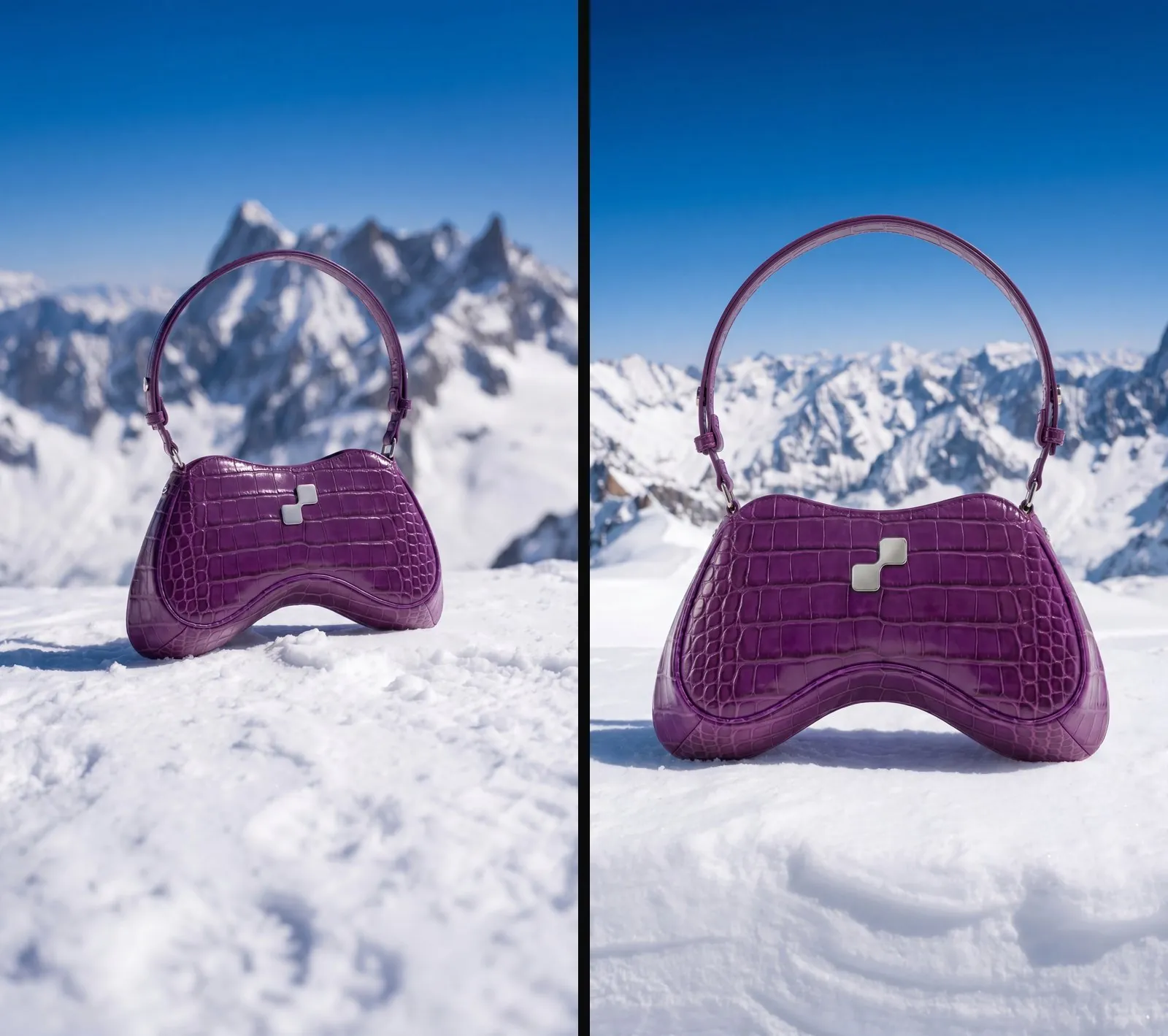
There is no prompt to write at any point. What you choose on the platform, you choose by eye; the technical instructions behind each generation are assembled by Seedboard.
Ecommerce photography with a model
When the product has to be shown worn, on Seedboard you can have it worn by an AI model, a character generated by artificial intelligence, in place of a real model. The advantage is practical: no casting, no image rights to settle, no date to fix for the shoot, because the AI model is available at any time, for every new product that enters the catalog. You can pick one of the dozens available on the platform or build a custom one; how that works is described in the article on creating an AI fashion model for your brand.
Depending on the product, you use one of two dedicated features. If the product is a garment, the fashion shoot dresses the model in it and photographs them in editorial shots. If the product is an accessory or a cosmetic, the Model + Product feature photographs the product worn by the model, with categories for jewelry, eyewear, bags and clutches, footwear, makeup and skincare and lifestyle products; all you do is upload the product and choose the category. Editorial shots are for the website, social media and campaigns, but the product page, where the customer sees the price and adds the product to the cart, needs a different image: clean, with the product worn by the model on a white background. For that image Seedboard has a dedicated ecommerce mode, so you get both the photos that communicate and the one that sells from the same model.
How to keep the whole catalog consistent
An online store does not photograph its products once. New items arrive every season, and with a traditional shoot the light, the background and the framing change every time, because the set is never the same. On Seedboard every job starts from a reference photo you approve, and all the images that follow are generated to match it. Products photographed today and products photographed in six months look alike, with nothing to redo. There are three features for the catalog.
- Catalogs. Many products, one session: Seedboard shoots them all under the same light and the same framing, so the store looks like one catalog rather than a pile of uploads.
- Collections. One theme across a whole drop, a seaside set for summer, a Christmas table for December, a Halloween set for an end-of-October promotion. You pick a reference photo, Seedboard builds the setting around it and every product is shot inside it, so the theme is chosen once instead of staged product by product.
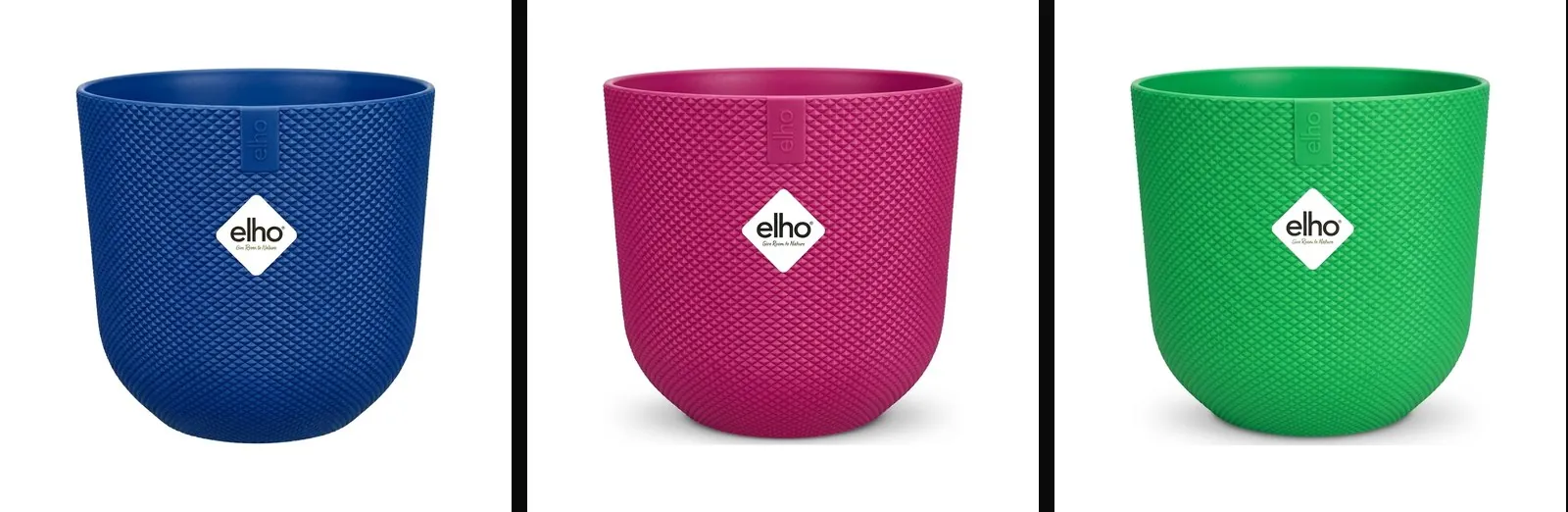
- Color Variants. The same item in every color it sells in, with the pose, the lighting and the composition untouched. It earns its keep in print on demand, where the garment is printed only after the order and the other colors are nowhere to be photographed. Unlike recoloring by hand, the folds, the shadows and the fabric stay exactly as they were; only the color moves.
Seedboard was built by photographers and filmmakers who have spent years on set, so it is designed around how brands actually work. The full path, from the first shot to the finished campaign, is described on the how Seedboard works page.
Costs and free trial
Every new account gets 1,000 free credits, with no credit card and no time limit. They let you try the service and judge the quality of the results before spending anything.
Paid plans start at €17 a month, VAT excluded. They include the commercial license. The detail of each plan is published on the pricing page.
What to know before publishing the images
Before using the images it is worth knowing three conditions, also set out in the frequently asked questions.
- Content generated with the free trial is for personal evaluation. Commercial use requires a paid plan or a credit pack, which grant a perpetual, worldwide license to everything that is generated.
- Images generated by artificial intelligence are not covered by exclusive copyright, and similar results could be produced for other users.
- Uploaded photographs are not used to train artificial intelligence models, and are passed to providers only to carry out the generation request.
This describes the service and is not legal advice on the use of images in a specific case. There is more detail in the article on AI-generated images and commercial use.
Frequently asked questions
How much does ecommerce product photography cost?
A live product shoot costs roughly 500 to 5,000 euro. With Seedboard, ecommerce photos are generated with artificial intelligence from €17 a month, VAT excluded, and every new account gets 1,000 free credits to try the service.
Do ecommerce photos need a white background?
It is not mandatory, but it is the most common choice for the product page, because it puts the item in the foreground and keeps the catalog uniform. Seedboard has a dedicated ecommerce mode that produces the clean white-background shot with the product worn by the model.
Can ecommerce photos be made with AI, without a photographer?
Yes. On Seedboard you upload the images of the product, show the style you want with a reference image or describe it in words, and Seedboard generates a first photo. Once that photo is approved, the other angles are generated from it. No photography skills and no experience with artificial intelligence tools are required.
How do you keep a whole catalog consistent?
On Seedboard every job starts from a reference photo approved by the user, and the images that follow are generated to match it. The Catalogs feature shoots many products with the same light and framing, Collections photographs several products in one coherent setting, and Color Variants reproduces the same product in every color with identical pose, lighting and composition.
Can AI-generated ecommerce photos be used to sell?
A paid plan or a credit pack grants a perpetual, worldwide license to use everything that is generated, including commercially. Images generated by artificial intelligence are not covered by exclusive copyright, though, and similar results could be produced for other users.